Tuesday, March 24, 2015

Assimilation, Pluralism and Multiculturalism

Immigration is the action of coming to live permanently in a country. Immigration started a long time ago. Immigration to the United States started in the early-mid 1800's and then in the late 1800' and early 1900's. First the Europeans started to migrate to the United States, following them people from other countries started to come to the United States as well because there were a lot of employment opportunities in the country. Right now there are bout 38.5 million immigrants living in the United States which means one out of every eight Americans is an immigrant. In the state of Illinois there are about 1.74 million immigrants of which 588,000 live in Chicago, 33.8% of the state total (US Census Bureau 2009 American Community Survey, Table B05002).

Table Showing Immigrants
http://www.chicagoloopster.com/wordpress/wp-content/uploads/2011/01/immigration_chart1.jpg

The first immigrants that arrived to the US were the French. Following the 1848 revolutions that swept through Europe the French immigrants were political refugees who left France (American Experience, n.d.). Following the French came the Scottish people in the 1850's. Scottish immigrants founded the Illinois Saint Andrew Society in 1845 to help Scottish immigrants adjust to the new environment (American Experience, n.d.). It was the first organization of this type founded in Chicago. Then Norwegians entered the America next to join the labor force where there were more opportunities than in their homeland. It was easy for them to get accustomed here because they knew English. They had a protestant work ethic which is work hard and be successful. They maintained their individuality, right to democracy. Norwegians helped establish Logan Square neighborhood, which now houses a large Latino population (American Experience, n.d.). These were the "old" immigrants and they moved to the west in the later times.

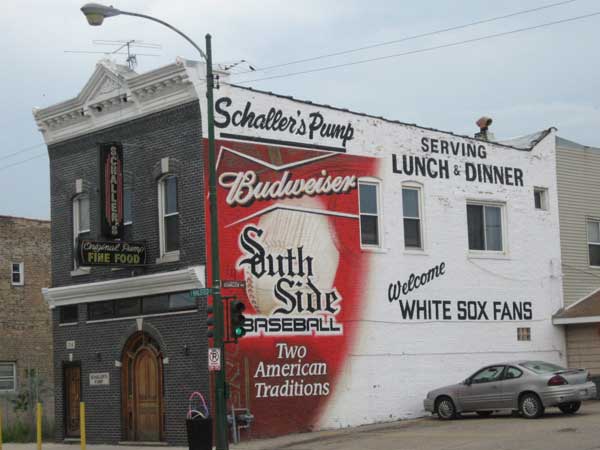
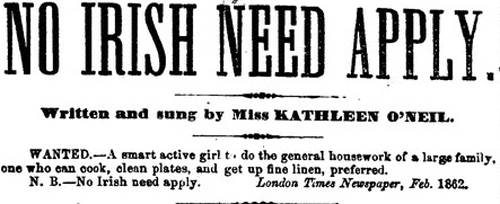
The "new" immigration started with the Irish. The Irish started to migrate since the 1830's they weren't a huge population until the 1860's because that is the time when they really started to come in and their population doubled from the 1830's (Irish, n.d.). Due to their dark skin they were discriminated a lot. But the Irish immigrants were a huge part of the labor force which worked in making the Illinois Michigan Canal (1836-1848). The Irish settled in a neighborhood called Canalport which was later known as Bridgeport and was the home to five 20th century Chicago mayors (American Experience, n.d.). The Irish were famous for drinking beer, consequently the oldest bar in Chicago is an Irish bar. At first the Irish were all separated but later they assimilated together to counter the discrimination towards them.
http://www.substancenews.net/assets/images2/1055932816.jpg
The Polish immigration to Chicago started from the 1850's and lasted till the early 1920's (Poles, n.d). Although there were a lot of Polish people coming to Chicago they did not really integrate as there were 5 different Polish neighborhoods in the city of Chicago. The Polish were the first among the immigrants who had the interest of owning properties. They bought lands or property instead of just renting and living there. The main Polish settlement was along the North Branch of the Chicago River. In 1867 the Polish community created its own Roman Catholic parish, St. Stanislaus Kostka, which was the first of about 60 parishes in the archdiocese (Poles, n.d.). The Polish people also started banking among the associations, they also established a burial society. As funerals were very costly the burial society would collect money and provide money to people for completing funerals. The Poles built orphanages, old age homes and a few Catholic Churches. But since they isolated themselves and had no political power or investment, they could not progress much and failed to have very high upper class. Nowadays the Archer Heights neighborhood maintains a strong Polish presence (American Experience, n.d.).

http://www.realestateprochicago.com/wp-content/uploads/2013/02/Polish-Avondales-Polish-Village-200x300.jpg
Oldest Bar in Chicago
http://www.angelfire.com/ex2/thenovakids/news/2006/schallers_pump.jpg

The first Chinese immigrants to Chicago arrived in the early 1870's (Chinese, n.d.). The Chinese first settled in California but after the construction of the railroad they started to migrate to Chicago, New York, and Boston. The population started to grow steadily and reached to about 2,353 in 1920 from 172 in 1880 (Chinese, n.d.). Due to the U.S. immigration policies and anti-Chinese attitude the immigrants from China were not welcomed in the U.S. There was a Chinese Exclusion Law in 1882, which made a lot of Chinese leave the country and there was much imbalance in the demography as there were merely 6% female of the total Chinese population in Chicago (Chinese, n.d.). The Chinese immigrants had a very rough time coming into a new country. Despite all the difficulties the Chinese in Chicago built a community in Chinatown and established some organizations for their support. After World War II the Chinese exclusion act ended and a lot more Chinese immigrants started to arrive in the U.S. The Chinese established a lot of family organizations.


Chinatown Gate, Chicago

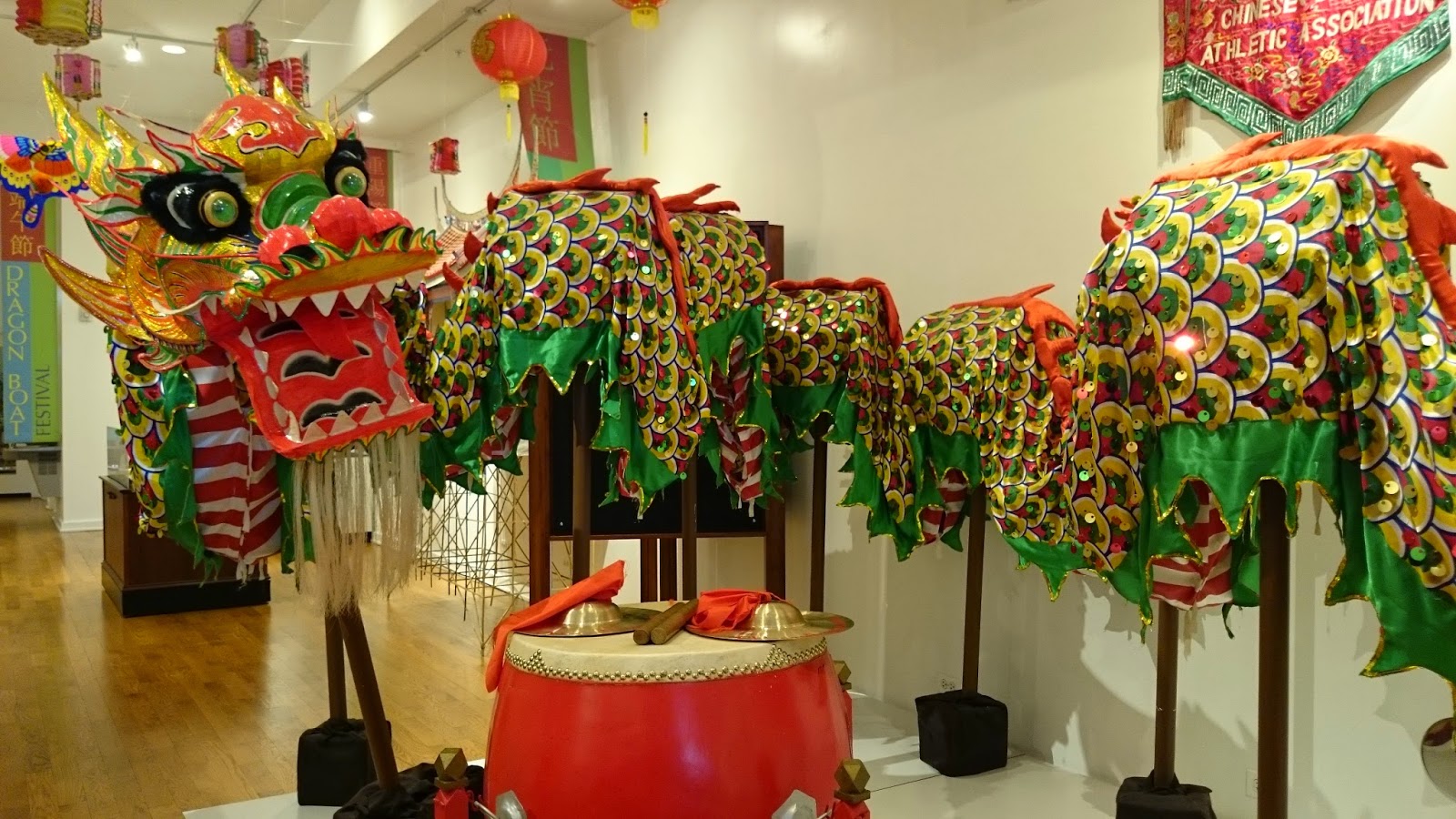
Traditional Chinese Dragon

Italians began to come to Chicago in small numbers in the 1850's working as merchants, vendors, barbers etc and by 1880 there were about 1,357 Italians in the city (Italians, n.d.). The first thinking of the Italians was to make money and go home, "sojourner" they were called. They wanted to work outdoors not confined to mills and factories. They became construction workers or became fruit, vegetable vendors. They had a tough time competing with the Greeks as they were also fruit and vegetable vendors.  The Italians that came were mainly farmers and merchants and they did not stay long enough to gain any political success. As most of them left the remaining ones formed the largest ethnic group in the Near West Side neighborhoods by the 1920's (American Experience, n.d.). The area around Taylor Street is Chicago's Little Italy.


http://images.chicagotraveler.com/images/general-chicago/18-3-littleitaly.jpg

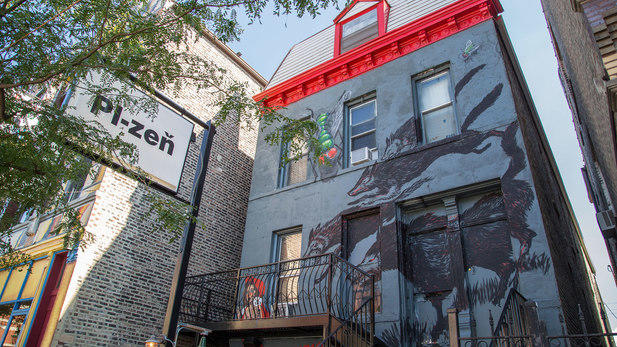
The formation of the Austrian-Hungarian Empire in 1867 sparked an exodus from that region and Czechs from Bohemia entered Chicago in the following decades (American Experience, n.d.). They settled in the Lower West neighborhood called Pilsen, the name originates from a Bohemian capital best known for Pilsner beer. The Czechs were the 2nd most literate immigrant group with about 98% literacy rate. Unlike other immigrant groups they collaborated and integrated as a result they became successful. Since they were educated they gained a lot of political power by representing about 80 public officials in 40 years. The Czechs built a lot of immigrant institutions like savings and loan associations, gymnastics societies, fraternal organizations which became established and some of them are still running (Czechs and Bohemians, n.d.).

http://media.timeout.com/images/100920059/617/347/image.jpg

Jews came to Chicago from virtually every country in Europe and Middle East, but especially from Germany and Eastern Europe. Chicago's first permanent Jewish settlers arrived in 1841 from Central Europe, largely from Germany (Jews, n.d.). The Jewish immigrants were separate from other people coming from their own country. The Jewish Irish or Polish or Italians were separate from the other immigrants from their country. The Jews were discriminated in their native countries and the only safe place they could find was the US. They settled in one of the poorest parts of the city, the Maxwell Street area on the Near Westside. They mainly benefited from the free education provided by the government. Education and entrepreneurship provided many Jews with the route out of Maxwell Street as some moved to the South Side; some moved into the North lakefront communities of Lake View, Uptown and Rogers Park; more headed northwest into Humboldt Park, Logan Square and Albany Park. The largest number moved west into the North Lawndale area, which became the largest Jewish community in the history of Chicago by 1930's (Jews, n.d.). 


http://www.danwymanbooks.com/images/GENE-1-40.jpg

Assimilation is a process in which formerly distinct and separate groups come to share a common culture and merge together and Pluralism, on the other hand, exists when groups maintain their individual identities (Assimilation and Pluralism, n.d.). Both Assmililation and pluralism are important for immigrants who come to a new place. Although there were many different immigrant groups arriving to Chicago not all immigrant groups assimilated or integrated. Some became more successful than others as a result of their experience, hard work and opportunities provided to them. The immigrants have a major impact in the city in various aspects. In 2005 Illinois launched the nation's first statewide effort to integrate immigrants, putting outreach workers in ethnic groups to help with citizenship applications and voter registration  (Immigrant Chicago, n.d.). Overall Chicago is an immigrant friendly city and if you are an immigrant looking for a place to settle I would highly recommend Chicago!  


http://www.wenphotos.com/flash/teresawilsonesession/Colorful-downtown-chicago-and-pilsen-engagement-session-with-murals-06.jpg

References:
Chicago's Immigrants Break Old Patterns. (2003, September 1). Retrieved March 23, 2015, from http://www.migrationpolicy.org/article/chicagos-immigrants-break-old-patterns

Chinese. (n.d.). Retrieved March 25, 2015, from http://www.encyclopedia.chicagohistory.org/pages/285.html

Czechs and Bohemians. (n.d.). Retrieved March 25, 2015, from http://www.encyclopedia.chicagohistory.org/pages/153.html

Immigrant Chicago: How immigration shaped a city. : ChicagoStories.org — Resources for journalists covering Chicago. (n.d.). Retrieved March 23, 2015, from http://chicagostories.org/immigrant-chicago/

Irish. (n.d.). Retrieved March 23, 2015, from http://www.encyclopedia.chicagohistory.org/pages/652.html

Jews. (n.d.). Retrieved March 25, 2015, from http://www.encyclopedia.chicagohistory.org/pages/671.html

Poles. (n.d.). Retrieved March 25, 2015, from http://www.encyclopedia.chicagohistory.org/pages/982.html

US Census Bureau 2009 American Community Survey, Table B05002. Place of Birth by Citizenship Status – Universe: Total Population


Tuesday, March 10, 2015

Chicago's Chinatown

Chinatown Gate

The Chinese immigrants first started to arrive in Chicago in the early 1870s. The Chinese first settled in California but after the construction of the railroad they started to migrate to Chicago, New York, and Boston. The population started to grow steadily and reached to about 2,353 in 1920 from 172 in 1880 (Chinese, n.d.). Due to the U.S. immigration policies and anti-Chinese attitude the immigrants from China were not welcomed in the U.S. There was a Chinese Exclusion Law in 1882, which made a lot of Chinese leave the country and there was much imbalance in the demography as there were merely 6% female of the total Chinese population in Chicago (Chinese, n.d.). The Chinese immigrants had a very rough time coming into a new country. Despite all the difficulties the Chinese in Chicago built a community in Chinatown and established some organizations for their support. After World War II the Chinese exclusion act ended and a lot more Chinese immigrants started to arrive in the U.S.

When Chicago's Chinatown was first established it was centered around South Clark St and Van Buren St but it 1912 they were forced to relocate to West Cermak Road and South Wentworth Ave. Residential and business were relocated to the new place. In the 1920s Chinatown continued to grow south along South Wentworth Ave and South Princeton Ave. The Dan Ryan Expressway, one of Illinois' busiest roads, was built east of South Wentworth Ave in the 1960s. In the 1990s Chinatown grew north of South Archer Ave, developing into Chinatown square, residential housing, and ping Tom Memorial Park. By 2011 Chinatown's population was over 27,000 and in 2012 Chinatown celebrated its Centennial Anniversary (Chinese, n.d).


Like all other ethnic groups the Chinese also established some organizations to support their community. Despite all the obstacles they faced the Chinese built a vibrant community. In 1906 the Chinese Consolidated Benevolent Association was formed which became the largest organizational force in the Chinese community (Chinese, n.d.). The Quasi government provided social services, maintained the rights and kept order in the community. There were powerful labor organizations like Mon Sang Association which maintained the rights of the labors. Besides these there were some family organizations which helped the people.
                         
The main type of commercial business in Chinatown is Chinese restaurants. The restaurant has flourished due to the increasing population and gained about 25% since the last decade. These restaurants offer a variety of Chinese foods and attracts all types of people. The Chinese enjoy their traditional food but it is an attractive place for the tourists as well as they get a taste of the Chinese culture from the restaurants and the foods. The notable restaurants are MingHin Cuisine located  in South Archer Avenue which is famous for the Dim Sum(Chinese dish), Lao Sze Chuan also located in South Archer Ave is well known for being the restaurant with the spiciest menu in Chicago. Last year FBI raided these Chinese restaurants and they were closed down for some time but they reopened very soon. Recently the owner of Lao Sze Chuan chef Tony Hu was in the news for his new recipe Special Dry Chili Chicken. This new dish has become very famous in the neighborhood as it is really delicious. Chi Cafe, Lao Beijing, Moon Palace, Ken Kee etc. are the other notable restaurants.

MingHing Cuisine
http://storage.tastesavant.com.s3.amazonaws.com/restaurants/Minghin%20Cuisine/Interior%201.png
Lao Sze Chuan
http://endoedibles.com/wp-content/uploads/2013/11/004-Lao-Sze-Chuan-6.jpg

Besides the restaurants there are some other notable places in Chinatown. Pui Tak Center located on 2261 South Wentworth Ave is the center of the commercial district of Chinatown. The building was once the host to the On Leong Merchant Association. It served as a courtroom, as an elementary school, a recreation center and now a social service agency. It serves as the neighborhood's unofficial city hall, offering a variety of services English language classes and other programs for the recently arrived immigrants. I visited the Pui Tak Center and we were shown around the place by a guide but she should not speak English so she was not much of a help, she should probably take the English course they are offering. The building has a weird entrance because the main door does not open and we had to go in through a side door. The building was not something very special but what they offer to the people of the community is very important.

Pui Tak Center


The Chinese American Museum of Chicago located on 238 West 23rd Street also known as the Chinatown Museum is another of the notable places in Chinatown. It was formerly a Chinese store and warehouse built in 1986. The museum was founded in 2005 and documents a lot of historical and cultural artifacts of the Chinese. In 2008 a devastating fire almost destroyed the priceless artifacts but it was all restored in 2010. We saw a video of the Chinese new year and the different customs they celebrate during this time. The museum consisted a lot of different ancient artifacts from China. They even have a brick from the Great Wall, there was a dragon which they from their new year's celebration. The histories of Chinese immigration was also there, we got to learn about the Chinese culture from the different ancient artifacts.

Chinese American Museum, Chicago


Ping Tom Memorial Park located on 300 West 19th Street is another noteworthy place of Chinatown. Situated next to the south branch of the Chicago River on the north end of Chinatown the 12-acre park, with its Chinese inspired design is a popular place for the residents. People practice yoga, tai chai and qigong, different sports and athletics in the park. The park plays as the host to the annual Dragon Boat Race Festival where authentic Chinese-style rowing boats, compete and celebrate this ancient Chinese tradition. The park is one of the best places in Chinatown and it is definitely a place to visit. It is a place of natural beauty where people can go to relax after a hectic week of work. I picked a very bad day to go there as it was too cold and I could not totally enjoy going around the park and getting to see all of its beauty. The view from the park is amazing, the whole city can be seen from the park and it is a magnificent view. All the buildings and monuments of the park are the works of very fine architecture but they also represent a Chinese touch. It is definitely a place every tourist should visit if they visit Chinatown.

Ping Tom Memorial Park
http://www.terraengineering.com/wp-content/uploads/Ping-Tom-Boathouse-ACEC-IL-Award-960x540.jpg


The other notable places include The Nine Dragon Wall located on 22nd Street(Cermak Rd.), Wentworth Avenue located on 2200-2500 South Wentworth Avenue, Chinatown Square etc.

The Nine Dragon Wall
Wentworth Avenue

Chinatown Square

I think Chinatown is integrated with Chicago society because there are non-asian people living in the neighborhood but not completely integrated. I saw a lot of non-asian in the neighborhood. They may be socially segregated due to the different cultures but they celebrate the special occasions of USA and the people of Chicago also celebrate Chinese events like the Chinese New Year. The Chinese are no longer an isolated group in Chicago and there is no discrimination like before so they are getting acquainted with the cultures of the American. Just sharing holidays and cultures don't make the people integrated but they are not discriminated like before. So in my opinion Chinatown is pretty much integrated with Chicago society but there is still a lot of things to be done to make it completely integrated. Also there are opportunities for economic relations as there are some small businesses growing in Chinatown. So I think Chinatown is integrated with Chicago society.


References:

Tuesday, March 3, 2015

African Immigrants and Refugees


Dr. Jeanine Ntihirageza who is from Burundi, a country in Africa works with immigrants coming from Africa. She started working with immigrants from 2001. The first immigrants she worked with were the Sudanese women. She had to teach them English in order for them to live here and get on with life. Her lecture was about the immigrants and refugees that came to the US from Africa.

The African immigrants and refugees look for resettlement because of the wars that go on in their respective countries. The countries such as Somalia, Burundi, Rwanda, Congo, Sudan etc. all had wars going on in their countries so the inhabitants had to leave their countries and get settled somewhere else. The above mentioned countries were refugee producing countries. As there were war going on in many different countries at the same time some people had to go through multiple migrations and as a result they sometimes forgot their country of origin. They couldn't answer the question, “Where are you from?”

From the video “hunger for education, but police on my feet” we saw an African refugee being attacked by the police for no reason. There has always been a discrimination against the black people in the US. They claim not to be racist but racism has become a part of their culture. In the video we saw since the victim was black they suspected him to be a criminal. As an immigrant the victim has already gone through a lot of struggle and on top of that he fell victim to racism as well. These caused a lot of problems for the African refugees and immigrants to the US.

Africa is a really big continent consisting of 57 countries and an area of 11,205,146 square miles. The continent has an area which is more than the US, China, India, Europe, Argentina and New Zealand combined. As the continent is so big there are about 2000 to 3000 languages  and as many as 8000 dialects spoken all over the continent. The languages and dialects are so different that people of the same country sometimes don’t understand each other’s languages.

The actual size of Africa (courtesy Dr. Ntihirageza's slide)

African immigrants and refugees started arriving to the US long ago but the number increased to a great extent after 1990. According to the US 2000 census, about a million African immigrants live in the US. As so many immigrants started to arrive they had to get all the basic needs to live properly in the country. Although they got resettlement very quickly but the other basic needs such as food, house, clothes were not so easy to get. Also as they were not familiar with the English language and they didn't know much English it was very difficult for them to get jobs and get along with other people in the country. 

http://newsarchive.medill.northwestern.edu/uploadedImages/News/Chicago/Images/Urban/HERITAGE(1).jpg

The culture of Africa and the US varied a lot. The immigrants had to get used to the new culture as it was very different from their culture. There are two types of elements of culture. The surface elements of culture included food, clothes, holidays, personalities, arts etc. but just eating food or wearing clothes or celebrating holidays of another culture doesn't give a person the entire knowledge about that culture. To know a culture properly the elements of deep culture should be known. Elements of deep culture include ethics, family ties, gestures, religion, values, ceremony, marriage, folk myths etc. To know a culture properly these elements of deep culture has to be known properly.

The immigrants face a culture shock as they first come to the US and get to know the new culture. There are some phases they go through and finally get adjusted. The first phase is the honeymoon phase where they have optimistic and ideal feelings about the new culture. But then comes the hostility phase where they are faced with feelings of frustration, disappointment and the feeling of not belonging. After that comes the humor phase where they recall their previous experiences and laugh at themselves. Finally comes the home phase where they get adjusted to the culture and feel at home.

When a person is brought to a new culture there are feelings of vulnerability and being different. He/she has to learn the most basic things of that new culture in order to survive. Even the smallest day to day activities are so different and they have to relearn everything they have learned previously. Strong peer support is required for a person to get through the first phases of the new environment. The mothers, the fathers and the children are affected in different ways due to the immigration. The mothers have to become the source of income for the family, the fathers refuse to get educated at an old age and the children think they are smarter than their parents. But the
children go through a lot of difficulties as their peers and teachers in school look at them differently. Sometimes the children have to take the responsibility of the family and becomes the head of the family. All these changes in roles inside a family all in all hampers the relationships inside the family. As a result violence and problems are seen quite often.

We can help these immigrants by getting to know them, making them feel loved and accepted not making them feel different. We have to educate ourselves and learn about their culture to help them fit in. We have to become friends with them, be a volunteer, help them express their feelings because everyone has something to say. Everyone has something unique abilities and if we can explore that then we can bring the best out of them. As they are born out of the game, we have to help them get in the game because that is the only way they will have a chance to become a part of us.


The immigrants offer a lot if we can look into them deeply. Every person has a unique talent and they have to be given the right opportunities to express themselves. The ability of a fish cannot be judged by making it climb a tree. In the same way the immigrants cannot be judged by their ability to speak English or play American football. The immigrants offer their past experience, their language learning skills and all the other things they have to offer. As they have so much to offer we should welcome them in Chicago. If we welcome new immigrants, refugees and give them the opportunity to express themselves then it will help enrich Chicago’s unending talents.

Tuesday, February 24, 2015

The Creative Class


"The key to economic growth lies not just in the ability to attract the creative class, but to translate that underlying advantage into creative economic outcomes in the form of new ideas, new high-tech businesses and regional growth. to better gauge these capabilities I developed a new measure called the Creativity Index. The Creativity Index is a mix of four equally weighted factors: the creative class share the workforce; high-tech industry, using the Milken Institute's widely accepted Tech Pole Index, which I refer to as the High-Tech index; innovation, measured as patents per capita; and diversity, measured by the Gay Index, a reasonable proxy for an area's openness to different kinds of peoples and ideas. This composite indicator is a better measure of a region's underlying creative capabilites than the simple measure of the creative class, because it reflects the joint effects of its concentration and of innovative economic outcomes. The Creativity Index is thus my baseline indicator of a region's overall standing in the creative economy and I offer it as a barometer of a region's longer run economic potential.' - Richard Florida.


According to Richard Florida the "creative class" is a group of talented and creative people, who, in his theory, help spur high-tech growth. As the world is becoming more and more developed, "creativity has replaced raw materials or natural harbors as the crucial offspring of economic growth and so to be successful in this emerging creative age, regions must develop, attract and retain talented and creative people who generate innovations, develop technology-intensive industries and power economic growth" (quote from Competing on Creativity).

Chart for creative class population:
http://www.creativeclass.com/_v3/creative_class/_wordpress/wp-content/uploads/2009/05/metropolitanregion.bmp
Florida describes the Creative Class as comprising 40 million workers. He separated the class into two groups as Super-Creative Core and Creative Professionals:

Super-Creative Core: This group comprises about 12 percent of all U.S. jobs. It includes a wide range of occupations (e.g. science, engineering, education, computer programming, research), with arts, design and media workers forming a small subset. Florida considers those belonging to this group to "fully engage in the creative process" (2002, p. 69). The Super-Creative Core is considered innovative, creating commercial products, and consumer goods. The primary job function of its members is to be creative and innovative. "Along with problem solving, their work may entail problem finding" (Florida, 2002, p. 69)


Creative Professionals: These professionals are the classic knowledge-based workers and include those working in healthcare, business and finance, the legal sector, and education. They "draw complex bodies of knowledge to solve specific problems" using higher degrees of education to do so (Florida,2002).

Florida says that the Creative Class is a class of workers whose job is to create meaningful new forms (2002). It is composed of scientists and engineers, university professors, poets and architects, and also includes "people in design, education, arts, music and entertainment, whose economic function is to create new ideas, new technology and/or creative content” (Florida, 2002, p. 8). The designs of this group are seen as broadly transferable and useful. Another sector of the Creative Class includes positions that are knowledge intensive; these usually require a high degree of formal education (Florida, 2002). (Wikipedia)

From Richard Florida's speech we hear that earlier the people used to move to places where there were job opportunities but then he points out that the companies were moving to places like Boston and Chicago where there were so many creative people. So it wasn't people moving to places for jobs anymore it was jobs coming to people. The smart companies were doing this because they knew where the creative and skilled people were and if they moved their company there the company would flourish to a great extent. Lycos was a company which moved to Boston from Pittsburgh.  

Creativity had become the driving force of economic growth. Creativity is the highest aspect of education and so the creative class is the highest aspect of education spearhead which gives it the most power. Economic growth does not come only with creative people or only with technology but what can cause the economic growth is the combination of the two. There are a lot of different types of creativity like artistic, cultural creativity, computer graphics etc. People are more mobile than before now and they move where they can make friends and live an anonymous and easy life. Creativity came from nothing material, it just came about as people are the driving force behind this.

The values of the creative people are creativity, difference, self-expression, merit and openness. About 38 million people fall in thee creative class and they earn about twice as much from the average pay in the US. Even the who are in the lower classes can move to the upper class with the influence of Creativity. The lifestyle of the creative people are also different as they tend not to separate their work life and home life. Some people can even work from their homes and they have much more freedom in offices. So the idea of creative class is a true innovation and motivational as well for the people to change their lives for the good.

Although Richard Florida’s theory is pretty good but numerous studies have found faults in his theory. Analysts like Jamie Peck, Montgomery, Matteo Pasquinelli pointed out thee faults in the theory by their research in different cities in Europe, Asia and Australia. They disagree because after doing research they found out that the theory is not valid for every state or country. For the creative class to have a really good impact they have to be given opportunities and technology but some countries cannot provide that as a result no progress occurs there. Even though there are creative people in a place without proper support the economic growth is not possible. So in order for the creative class to fully utilize their power and ability they have to be given the right opportunity.

As Florida’s message was very quickly adopted by many cities because he argued that any city could become vibrant and creative city it led to the economic downfall of the cities. Moreover the creative class thesis relies on several factors which can’t be changed all at once. But his analysis has been a key component of cultural policies and strategies in different cities in different countries.

References:
http://www.washingtonmonthly.com/features/2001/0205.florida.html
http://en.wikipedia.org/wiki/Creative_class

Wednesday, February 18, 2015

Little Italy


Italian soccer jersey with Italian players' autographs
(found on the wall of a cafe in Little Italy)
 Little Italy is a neighborhood found on the near west side of Chicago, near the University of Illinois at Chicago. As the early Italian immigrants settled in that place its name evidently became Little Italy. It was given the name due to the strong Italian influence and culture in thee 19th and 20th century. Taylor Street is known as Chicago's Little Italy.

Italians began to come to Chicago in small numbers from the 1850s working as merchants or other low paid jobs. By 1880, there were about 1400 Italians in the city. But as time went by they got better jobs and started opening restaurants and buying real estate which resulted in them getting wealthy. In the late nineteenth century the immigration rate increased to a great extent about 70 thousnad. These mass population was again given low paid jobs in construction sites but soon they got better jobs and even the women started working in garments factories. Slowly they established themselves as a community and started living in Chicago permanently.

There has been a lot of change since the beginning of the settlement of the Italian immigrants till the present time. As the people coming from Italy didn't have much to offer they were given low paid jobs and they had to live in slummy places. The roads and the houses were not very developed at that time.
                           http://www.encyclopedia.chicagohistory.org/images/658_11593.jpg
But as the time progressed things got better and the housing, roads started to improve. Due to the demographic shifts as more people started to live in the city area rather than the rural parts of the city the roads and housing got better. Also economic change is another cause of this change, as thee Italians got better jobs and started to earn more they could afford better housing. The houses which are seen today are a lot developed than the previous ones.


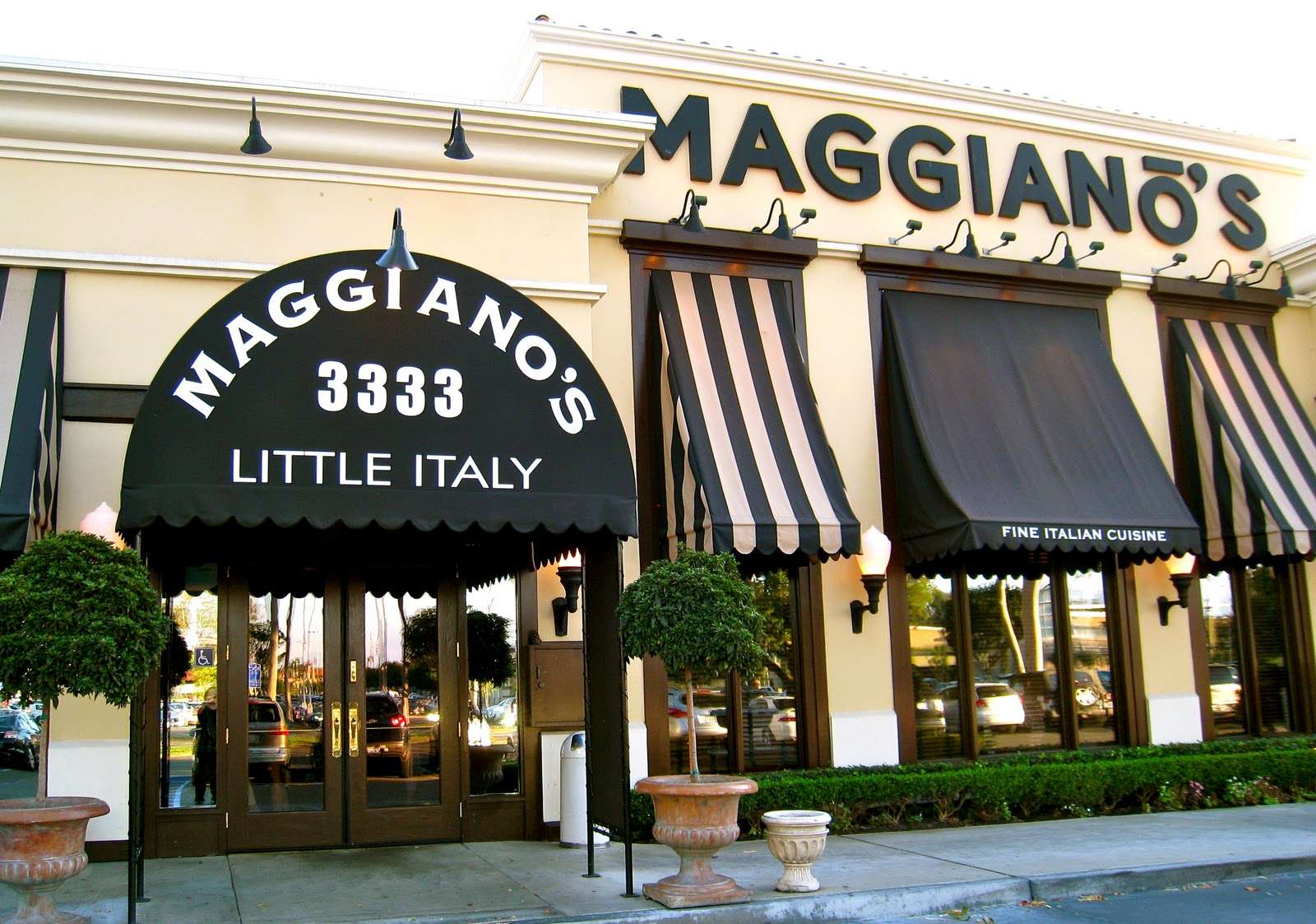
Little Italy is famous for its Italian restaurants. Although the early restaurants are not still there but their heritage continues as there are still many Italian restaurants in the area.

Italian food
                       http://globerove.com/wp-content/uploads/2010/03/Maggianos-Little-Italy.jpg
                       http://images.chicagotraveler.com/images/general-chicago/18-2-freancesca.jpg

Besides food there are some other landmarks which are famous in Little Italy. The National Italian American Sports Hall of Fame is one of them. The Roman Catholic church is also a very famous landmark.


National Italian American Sports Hall of Fame
                   http://www.ourladyofpompei-stpeters.org/images_main/mainindeximage.gif

There are some very famous statues which are a symbol of Little Italy. Christopher Columbus statue and Joe DiMaggio statue are probably the most famous ones. Joe DiMaggio was a famous American Major League Baseball player. He was an Italian descendant. He was an outstanding player winning 3 MVP awards and an all star in each of his 13 seasons with the New York Yankees. At the time of his retirement he ranked 5th in all time home runs. He was included in the baseball hall of fames in 1955 and was voted the sport's greatest living player in the year 1969. So he is a very famous Italian descendant and that is why there is a statue of him in Little Italy.

http://images.chicagotraveler.com/images/general-chicago/18-1-chris.jpg


Joseph Paul DiMaggio Statue

The most famous of the places is probably the Hull House Museum. It was a settlement house founded in 1889. It opened doors for the European immigrants and by 1911 it expanded to about 13 buildings. In 1912 The Hull House Complex was completed with the addition of a summer camp. From then on it had been continuously changing according to the demand of the situation and it was the pioneer for the other settlement houses built all over the country for immigrants. In 1965 it was designated as a National Historic Landmark and in 1974 it was designated as a Chicago Landmark. The Hull House operations ceased in 2012 but it remains as a museum now.


Jane Addams was a sociologist, social worker and worked for world's peace as she tried her heart and soul to remove the sufferings of women. She became a pioneer of social works and fought for women's rights which made her a role model for the middle class women. Her unending efforts earned her the Nobel Peace Prize in 1931 as she became the first American woman to win thee prize. In 1889 Addams and her friend founded the Hull House, a settlement house which became a very important part of the neighborhood as it was the center of all social, cultural and other managements.

References:
http://en.wikipedia.org/wiki/Hull_House
http://www.encyclopedia.chicagohistory.org/pages/658.html
http://www.chicagotraveler.com/neighborhoods/little-italy-feature.htm

Tuesday, February 3, 2015

Bridgeport!


Bridgeport is a neighborhood located in the south side of Chicago. It is one of the 77 community areas of the city. Bridgeport is a very diverse and ethnic neighborhood. It is not just one single urban village it's a collection of various cultures and various people. Bridgeport was the home of five Chicago mayors which shows the political influence of the neighborhood. It is famous for being the historical center of some political parties. Going around the neighborhood still gives that political outlook.

Bridgeport has a long history. The construction of Illinois Michigan Canal marks the beginnig of Bridgeport. Much of the neighborhood was initially filled with Irish-American. In the 1830s a large number of immigrants from Ireland started settling in the neighborhood. The place was known as Hardscrabble at first but as it was close to the bridge across the Chicago River its name ultimately became Bridgeport.


The Irish were Catholics and built a lot of churches in the neighborhood. There are still a lot of churches.


We got to see a couple of the churches
Besides the churches there was a Buddhist temple as well and we got to get inside it.


The view inside the temple

The Irish built a lot of schools and parishes for the welfare of the general people. There are still some schools and parishes in the neighborhood.


When the Irish came and started settling here they had to do low wage jobs and a lot of manual labor. They played a big role in the building of the Illinois Michigan Canal. But now the main way of income for the people have become car workshops.


Chicago city was built on a low land but when the roads were made high some of the houses had doors which were under the road. Some of these houses are still seen in Bridgeport.


Politics was a big part of the Irish culture. Due to their political knowledge they enjoyed a lot of things such as power and property. The politics is still seen in the neighborhood. Flyers for the election campaign are all over the place and we got to see a lot.


But as time passed by the Irish were replaced by other people such as the Chinese, Spanish, Mexicans. The change of culture can be seen quite well as now there are more Chinese schools, restaurants.


So although Bridgeport was filled with Irish at first, now there are almost no Irish living there. The Chinese and Mexicans are most of the habitants of Bridgeport now.